

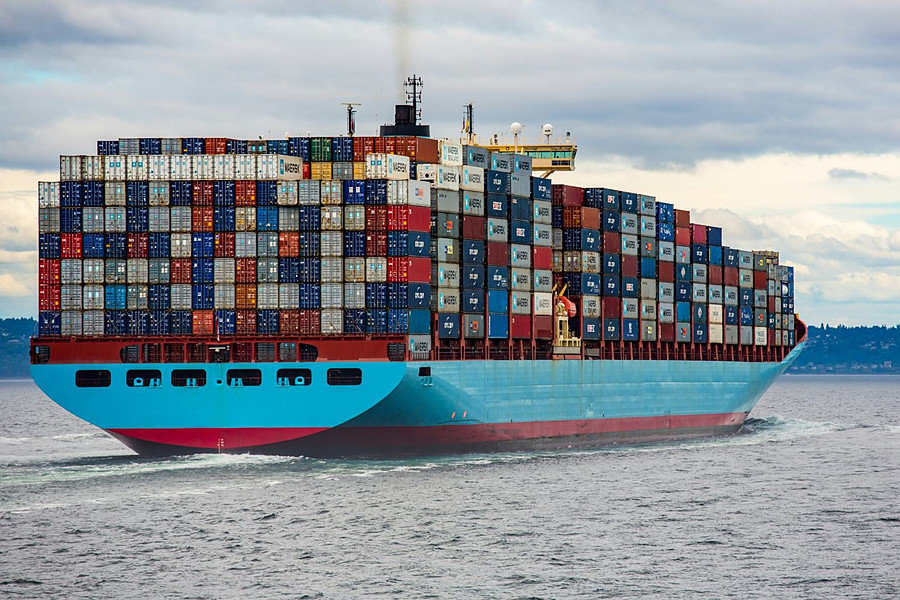
Sea and river
The most widely used mode for large volumes and heavy goods. Cargo travels in containers or in bulk, with longer transit times and a lower cost per unit.
Document: bill of lading (B/L).
Quick references to plan your foreign trade operations: transport, Incoterms, containers, units, exchange rates and costs.
The most widely used mode for large volumes and heavy goods. Cargo travels in containers or in bulk, with longer transit times and a lower cost per unit.
Document: bill of lading (B/L).
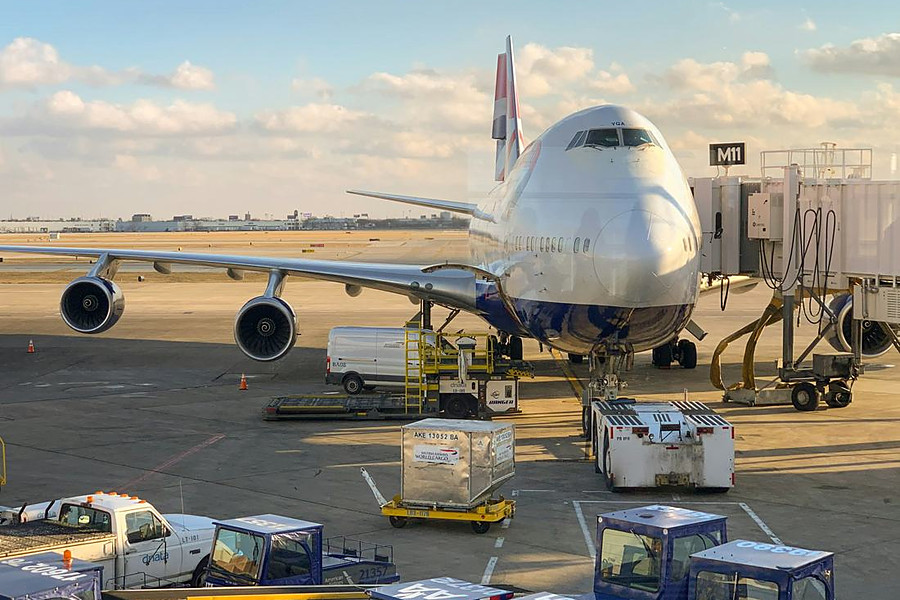
The fastest option, ideal for high-value, perishable or urgent goods. The cost is calculated by the weight or volume of the cargo.
Document: air waybill (AWB).
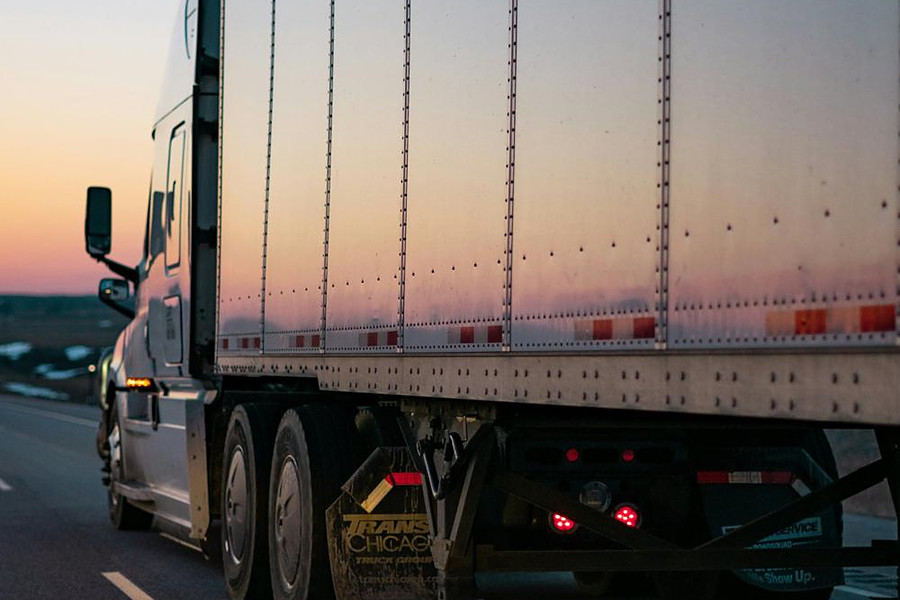
Truck or rail, widely used within the region and with neighboring countries. It allows door-to-door delivery and is key to trade within Mercosur.
Documents: international waybill (CRT) and cargo manifest (MIC/DTA).
| Code | Name | Transport | What it means |
|---|---|---|---|
| EXW | Ex Works | Any mode | The seller makes the goods available at its premises. From there on, the buyer bears all costs and risks. |
| FCA | Free Carrier | Any mode | The seller delivers to the carrier appointed by the buyer, at the agreed place. |
| CPT | Carriage Paid To | Any mode | The seller pays the freight to destination. Risk passes to the buyer upon delivery to the first carrier. |
| CIP | Carriage and Insurance Paid To | Any mode | Like CPT, and the seller also arranges insurance with broad coverage. |
| DAP | Delivered at Place | Any mode | The seller delivers at the agreed place of destination, ready for unloading. Import clearance is the buyer's responsibility. |
| DPU | Delivered at Place Unloaded | Any mode | The seller delivers the goods already unloaded at the agreed place of destination. |
| DDP | Delivered Duty Paid | Any mode | The seller assumes all costs and risks up to destination, including import clearance and duties. |
| FAS | Free Alongside Ship | Sea and river | The seller delivers the goods alongside the vessel named by the buyer, at the port of shipment. |
| FOB | Free On Board | Sea and river | The seller delivers the goods on board the vessel named by the buyer, at the port of shipment. |
| CFR | Cost and Freight | Sea and river | The seller pays the freight to the port of destination. Risk passes to the buyer once the goods are on board. |
| CIF | Cost, Insurance and Freight | Sea and river | Like CFR, and the seller also arranges insurance with minimum coverage. |
Indicative summary of the International Chamber of Commerce rules. For a specific operation, review the full text of the rule and what is agreed in the contract.
Closed container for general dry cargo: boxes, pallets, bags and machinery. The most widely used, with doors at one end.
The same closed container, twice the length. Suited to larger volumes of general cargo.
Same as the standard 40' but about 30 cm taller. Chosen for bulky or light cargo that needs more height.
Longer and taller than the 40' High Cube. It offers the greatest enclosed capacity, although it is not available on every route or terminal.
Has a refrigeration unit at the front and insulated walls. Used for food, perishables and goods that require controlled temperature.
Refrigerated 40' container with extra height. The most widely used for fruit, meat and products that need a cold chain.
It has no rigid roof: it is covered with a tarpaulin and loaded from above with a crane. Suited to tall or heavy goods, or goods that do not fit through the door.
The same open-top container, twice the length. For long pieces, machinery and cargo that is placed from above.
Platform with end walls, without a roof or side walls. Loaded from above and from the sides with a crane or forklift. Suited to heavy machinery, oversized pieces, vehicles, pipes and structures.
Platform with end walls, without a roof or side walls. Loaded from above and from the sides with a crane or forklift. Suited to heavy machinery, oversized pieces, vehicles, pipes and structures.
Indicative dimensions in meters (length × width × height; the door is given as width × height). The drawings are schematic: on the left, the side view; on the right, the rear view, with the door opening marked in yellow. Dimensions may vary slightly by manufacturer and shipping line, so it is advisable to confirm them before loading. On flat racks, the internal dimensions refer to the platform (length and width) and the height between end walls; payload varies by model, and versions with folding end walls exist. For tanks or other special containers, contact us.
| Currency | Buy | Sell |
|---|---|---|
| Loading exchange rates… | ||
The buying rate is applied when selling the source currency and the selling rate when acquiring the target currency. Values are informational and may differ from the rate set by regulations for a customs operation.
Indicative calculation. Rates depend on the tariff position and on the regulations in force, so you enter them yourself. Values are expressed in the currency you enter. It does not include local expenses or fees. Contact us for an exact calculation of your operation.
The Customs Code (Law 22,415) is the basic rule of the Argentine customs regime: it regulates import and export operations, customs regimes, infractions and penalties. It is complemented by its regulations (Decree 1001/1982) and by ARCA's general resolutions.
Browse by sections and titles, or go straight to an article; it opens the official text. Includes the download of the full PDF.
Updated text of Law 22,415, with the rules that amended it.
Rules and services of the Customs General Directorate.
Customs legislation changes frequently. For a specific operation, always confirm the text in force. The latest news is in Legislation.